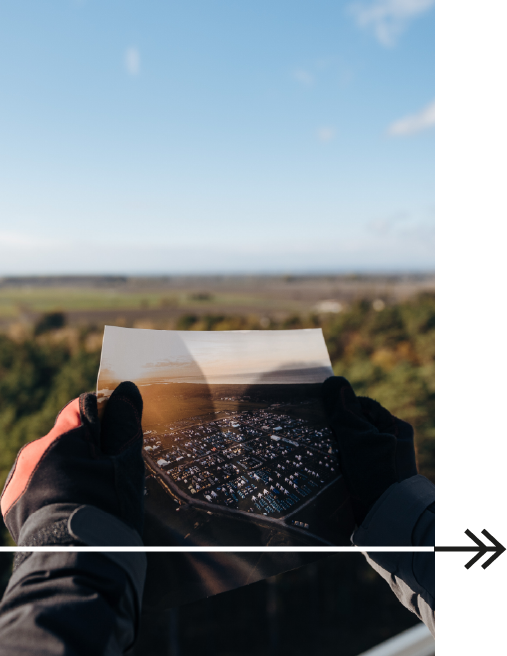
Poland Beyond the Postcard. A souvenir is great, but the adventure is in the present. Postcards are nice reminders, but they are flat. Poland is meant to be felt, tasted, and explored live. We use the postcard aesthetic as a visual hook to pull people into the authentic, real-life action.
Masurian Lake District “Land of a Thousand Lakes”
A typical photograph from this region captures beautiful sailboats on an open lake or a wooden pier at sunset. The vast network of lakes connected by natural canals creates a picturesque environment that attracts people looking for a quiet retreat. It is easy to see why buying a simple souvenir from the marina is a popular choice for many tourists.
To truly understand this region, you have to leave the safe harbor. The real journey involves active kayaking down crystal-clear streams, wilderness navigation, and lakeside camping. Paddling through dense reeds and setting up your tent right next to the water teaches practical outdoor skills while fully immersing you in the local ecosystem.
Pieniny Mountains
Looking at a souvenir from the south of Poland, you will likely see the sharp, iconic limestone summits of Trzy Korony or Mount Sokolica rising dramatically above the surrounding green valleys. The unique geological structure of this mountain range makes it one of the most photographed locations in the country, especially with the Dunajec River flowing at the base of the cliffs.
Polish Tourism Organization encourages international visitors to experience the terrain firsthand. You can do this by challenging your endurance on the steep, wooden-stepped ridge trails, navigating the narrow rocky passes, and enjoying panoramic mountain vistas stretching all the way to the high Tatra peaks. Reaching the top requires physical effort, making the final view much more rewarding than any picture.
Białowieża Forest
The postcard view of this area almost always features the definitive symbol of the primeval forest: the European bison or a monumental oak tree. As one of the last and largest remaining parts of the immense primeval forest that once stretched across the European Plain, it holds immense historical value.
However, observing a massive tree from a distance is only the beginning. We invite you to try deep-forest trekking, wildlife tracking, and learning about biodiversity conservation. Walking quietly under the ancient canopy allows you to spot rare bird species and understand the delicate balance of an ecosystem that has existed undisturbed for thousands of years.
Biebrza National Park
If you search for images of this national park, you will find a panoramic view of winding rivers cutting through endless green wetlands. The sheer scale of the marshes creates a beautifully flat, unbroken horizon that looks incredibly calm in photography.
The environment comes alive when you step into it. The area is perfect for birdwatching from wooden observation towers, hiking wild nature trails, and discovering untouched lowlands. Navigating the muddy paths and listening to the calls of thousands of migratory birds provides a sensory experience that no camera can fully capture.
Bieszczady Mountains
This remote region is famous for the wide, sweeping mountain pastures (połoniny) turning deep shades of gold, amber, and red. Photographers travel from all over the world to capture these specific seasonal colors stretching across the rolling hills.
For scouts, the best way to interact with this landscape is backpack trekking along open ridges and sharing campfire camaraderie on crisp autumn evenings. Carrying your own gear across the long-distance trails and resting under the dark, starry skies builds strong bonds between team members and connects you directly with the raw nature of the highlands.
The Painted Village of Zalipie
Cultural heritage is often represented by a close-up of a beautifully vibrant, hand-painted floral folk-art cottage wall. The colorful flowers painted on houses, fences, and even dog kennels create a highly photogenic and unique architectural style.
Rather than just taking a quick photo for social media, visitors should take the time for discovering local living traditions, meeting the artisans, and exploring an authentic open-air cultural landscape. Talking with the residents who maintain this custom generation after generation provides deep context about rural Polish history and artistic expression.
Wieliczka and Bochnia Salt Mines
Images of these underground locations display the geometric, illuminated salt chambers or subterranean chapels carved entirely out of gray salt. The visual impact of seeing chandeliers and massive statues completely sculpted from rock salt is undeniable.
The adventure gets truly exciting when you focus on the physical exploration of deep underground corridors and discovering centuries-old engineering craftsmanship. Descending hundreds of meters below the surface, breathing the crisp, mineral-rich air, and walking through the labyrinth of mining shafts gives you a sense of the extreme conditions the historical miners had to face daily.
Słowiński National Park
Coastal postcards proudly feature pristine, desert-like white sand dunes contrasting against the blue Baltic Sea. The wind shapes the sand into massive, moving hills that slowly bury the surrounding forests, creating a landscape that looks completely out of place in Central Europe.
You need to climb these massive structures to appreciate their scale. Go beyond the viewing platforms by feeling the sea breeze, hiking barefoot on shifting sands, and exploring coastal pine forests. The physical sensation of the warm sand and the sound of the ocean waves provide a refreshing conclusion to any hiking trip along the northern border of Poland.