The Polish language can be quite a challenge. It is full of unique sounds, letters and words that are tricky to pronounce. But Poland is so much more than its alphabet. It is a country of rich history, remarkable traditions, unforgettable cuisine and landscapes you can fall in love with at first sight.
Join us on a journey that shows how, while Polish words may be hard to read, what they stand for is easy to see, eat, hear and cherish.
Discover Poland as we see it: beautiful, welcoming and full of life.
Poland is a mosaic of stone and landscape. By the Baltic, Gdańsk’s crane and Malbork’s red-brick fortress tower over restless waves. In the west, Wrocław’s bridges glitter with lovers’ locks, while Bolesławiec clay turns to patterned art. Kraków dazzles with its Gothic altar and market arcades, pigeons pacing between towers and stalls of amber and lace. Further south, valleys cut deep into the Carpathians, cuckoos call from forests, bees circle wooden hives, and highland chapels gleam against peaks. Castles, cathedrals, cottages and fields - Poland is a country where every view tells a story.
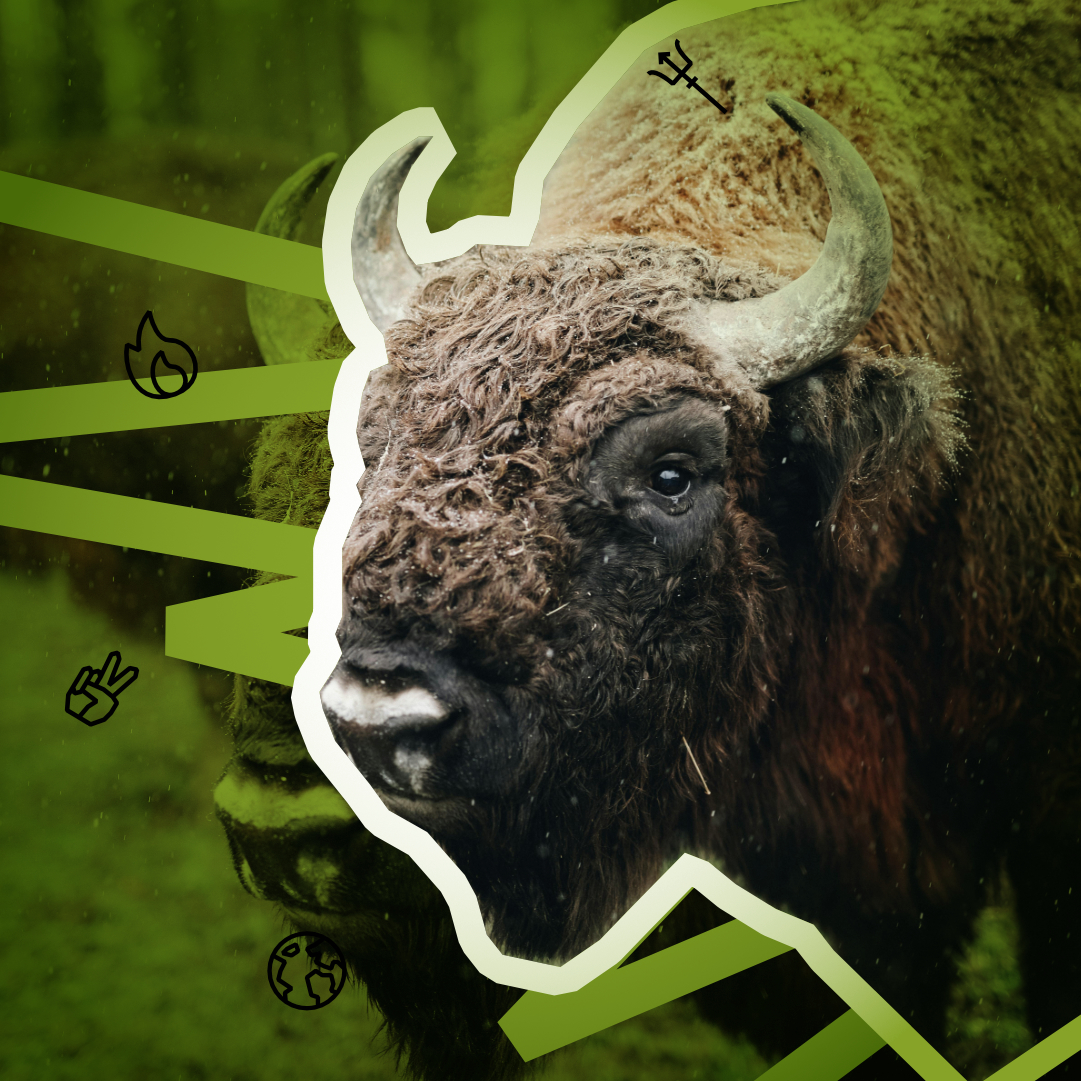
Żubr
Strength of the Wild
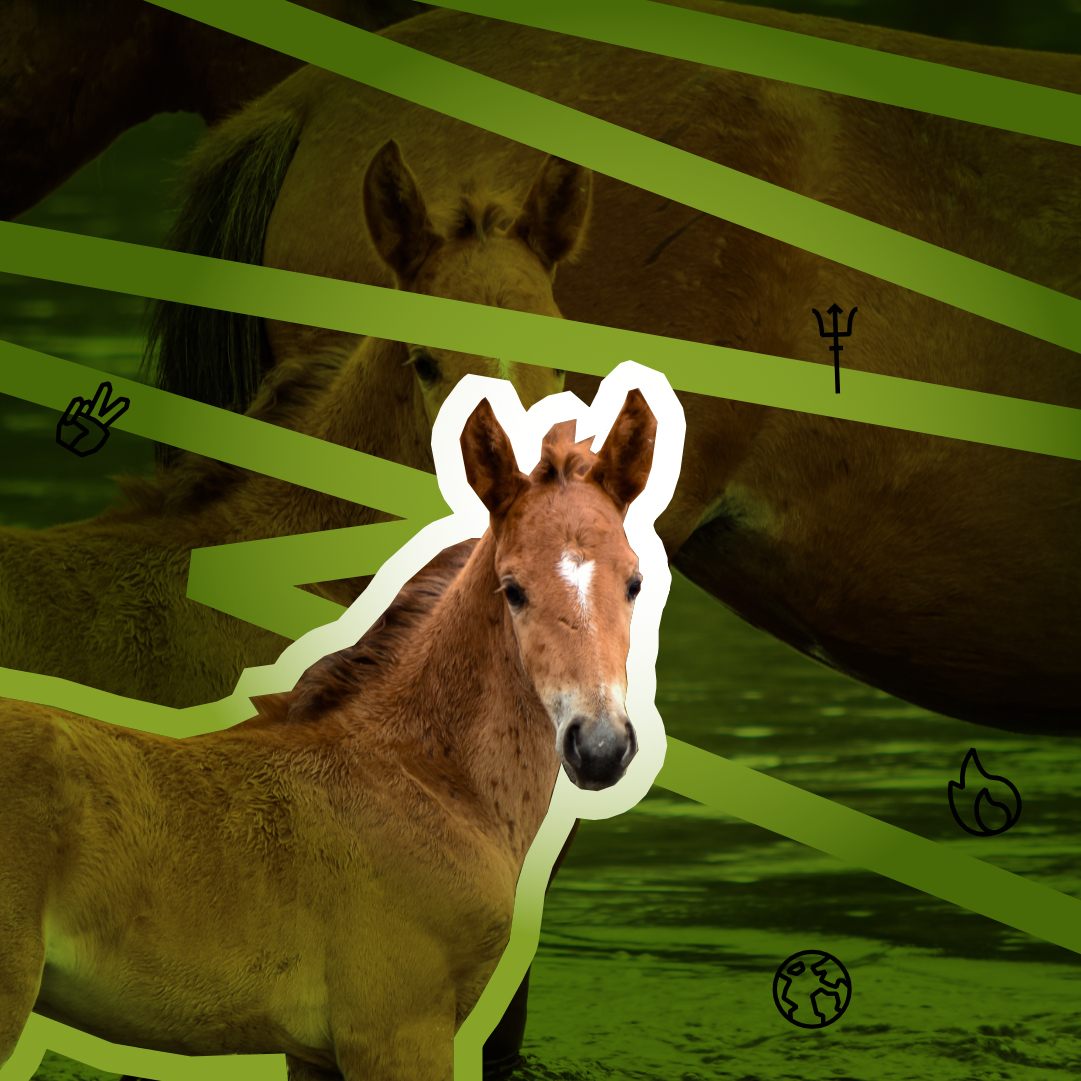
Źrebak
The Spirit of New Horizons
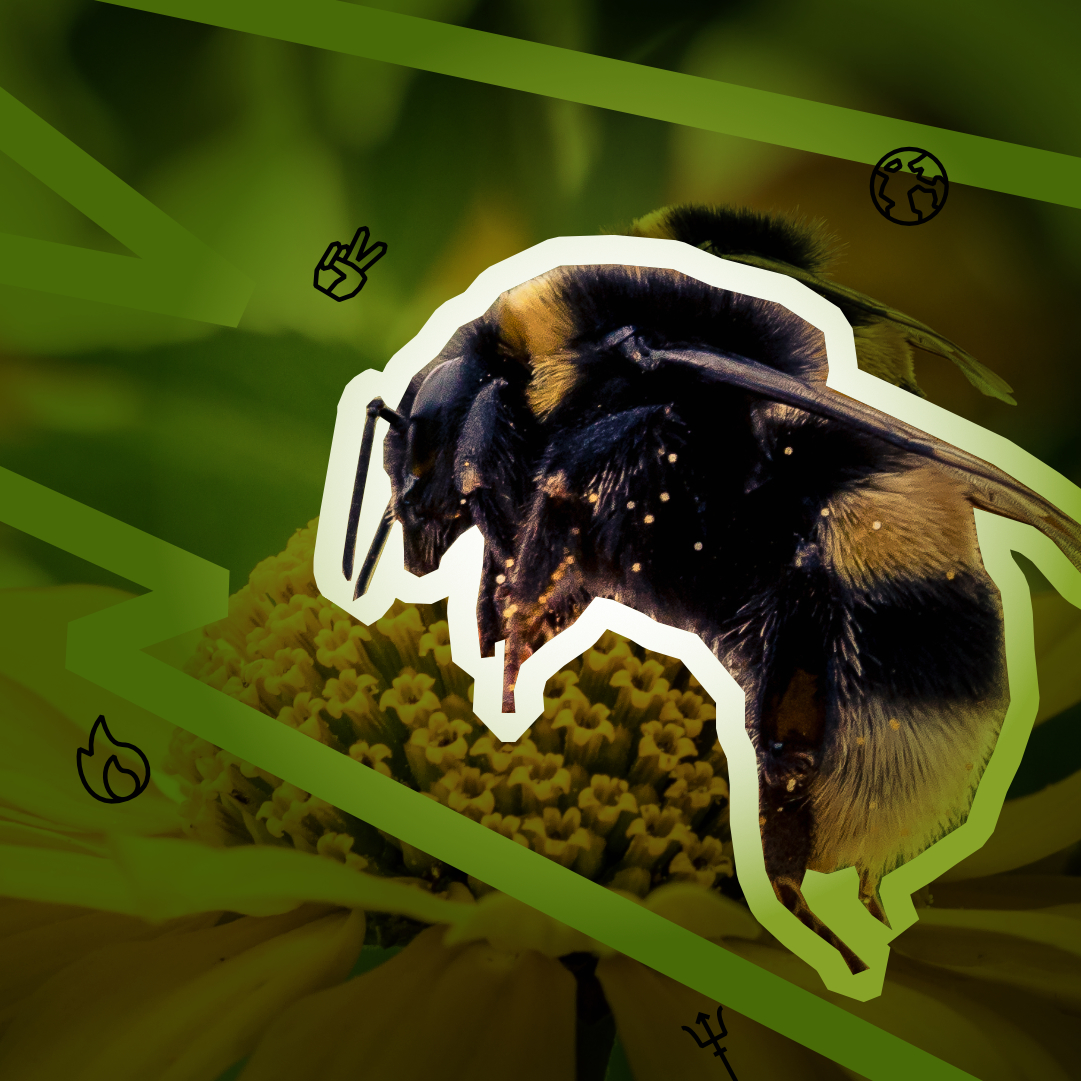
Pszczoła
The Power of Many in One
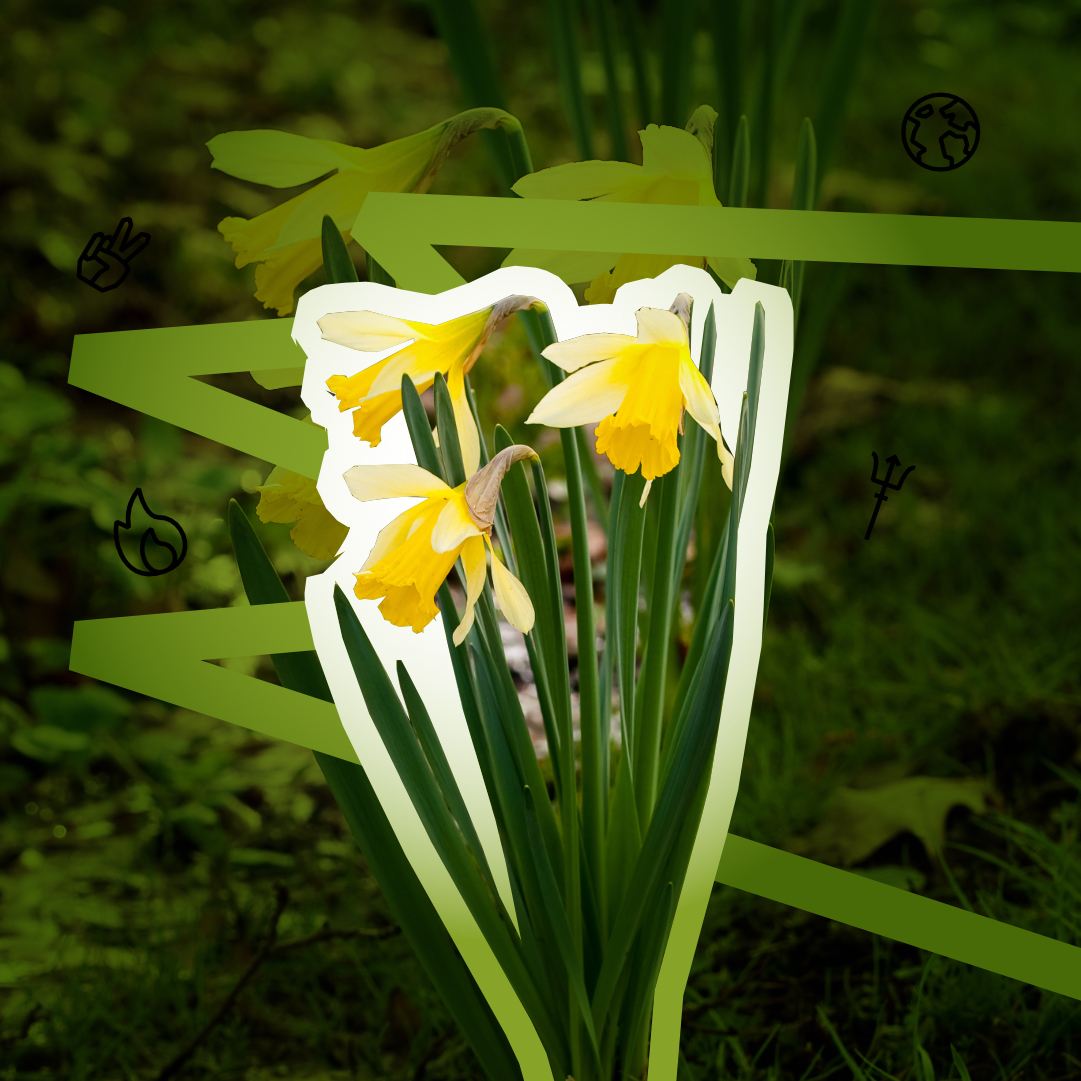
Żonkil
The First Smile of Spring
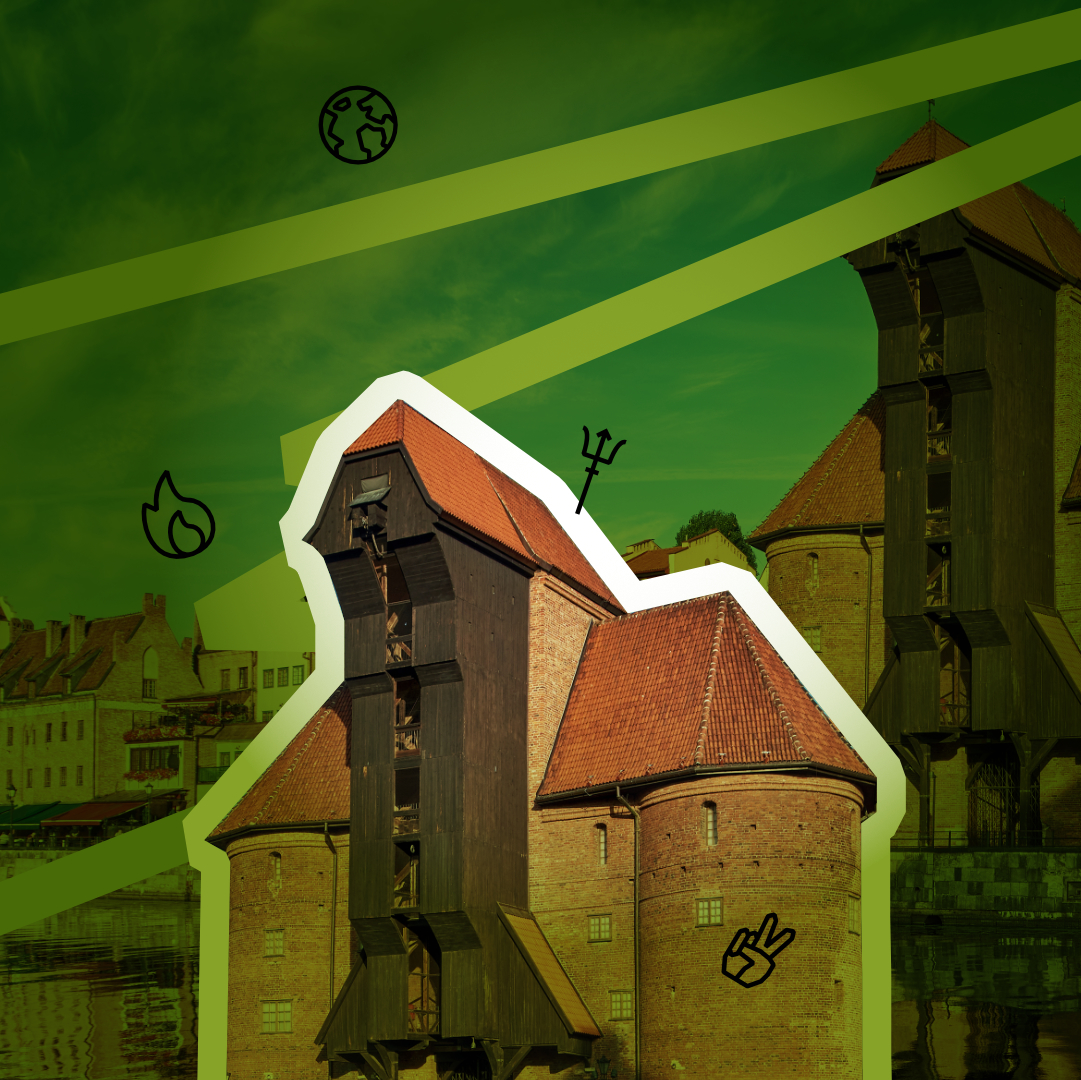
Żuraw
Where History Meets the Harbor
Poland tastes of the seasons. In summer, forests burst with mushrooms and berries buried in warm blueberry buns. Autumn brings golden fields, potatoes and cabbage transformed into pyry, cabbage rolls, and sauerkraut soup. Winter tables are illuminated by carp, pierogi, and poppy seed cakes, while spring celebrates with Easter eggs, horseradish, and sweet cakes. Each region boasts its own pride: Baltic herring, Kraków obwarzanek, Silesian dumplings, highlander bryndza. These are not just dishes-they are memories, rituals, family tables. Polish cuisine is hearty, festive, and ours: a living feast of tradition and flavor, rooted in history.
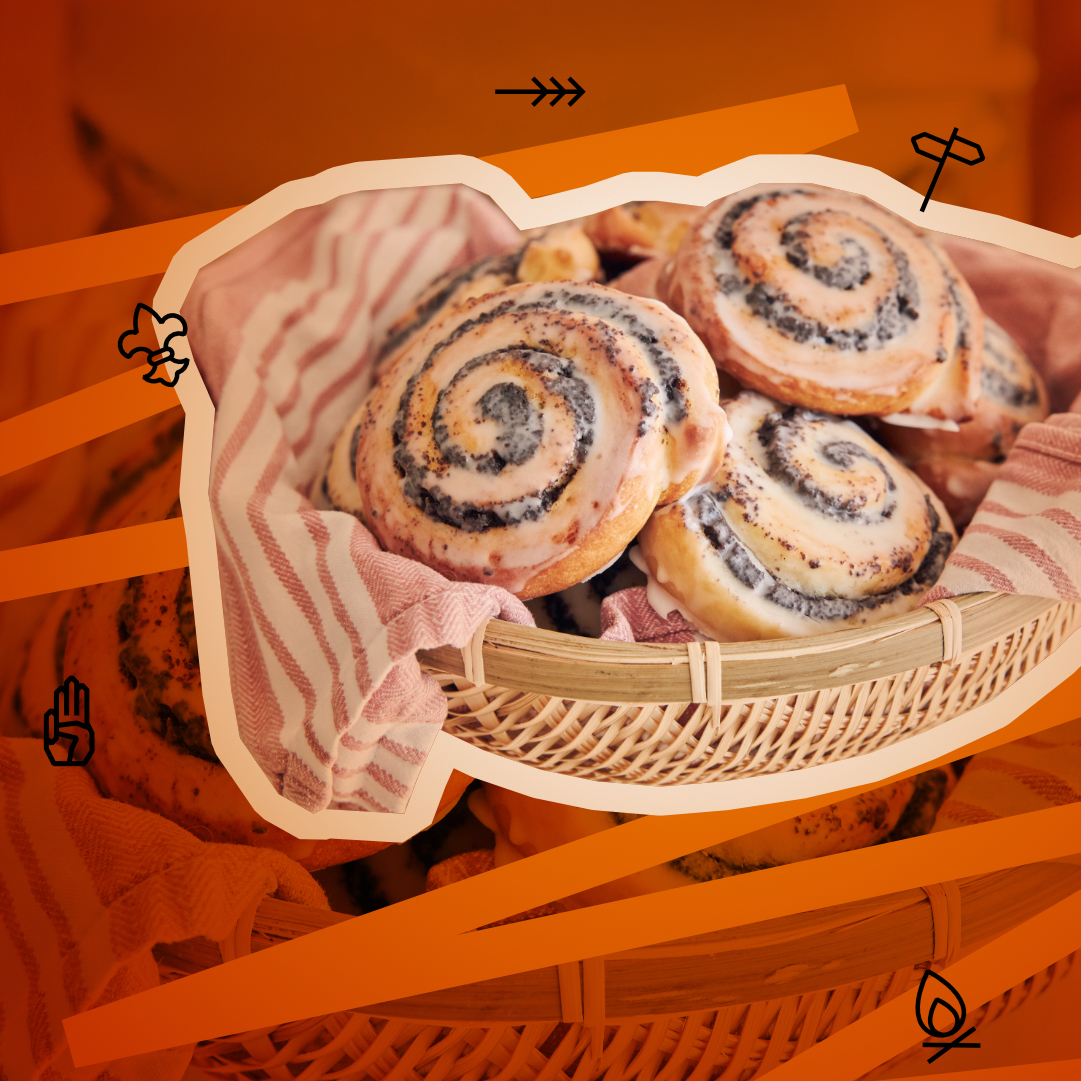
Drożdżówka
Sweetness You Can Hold
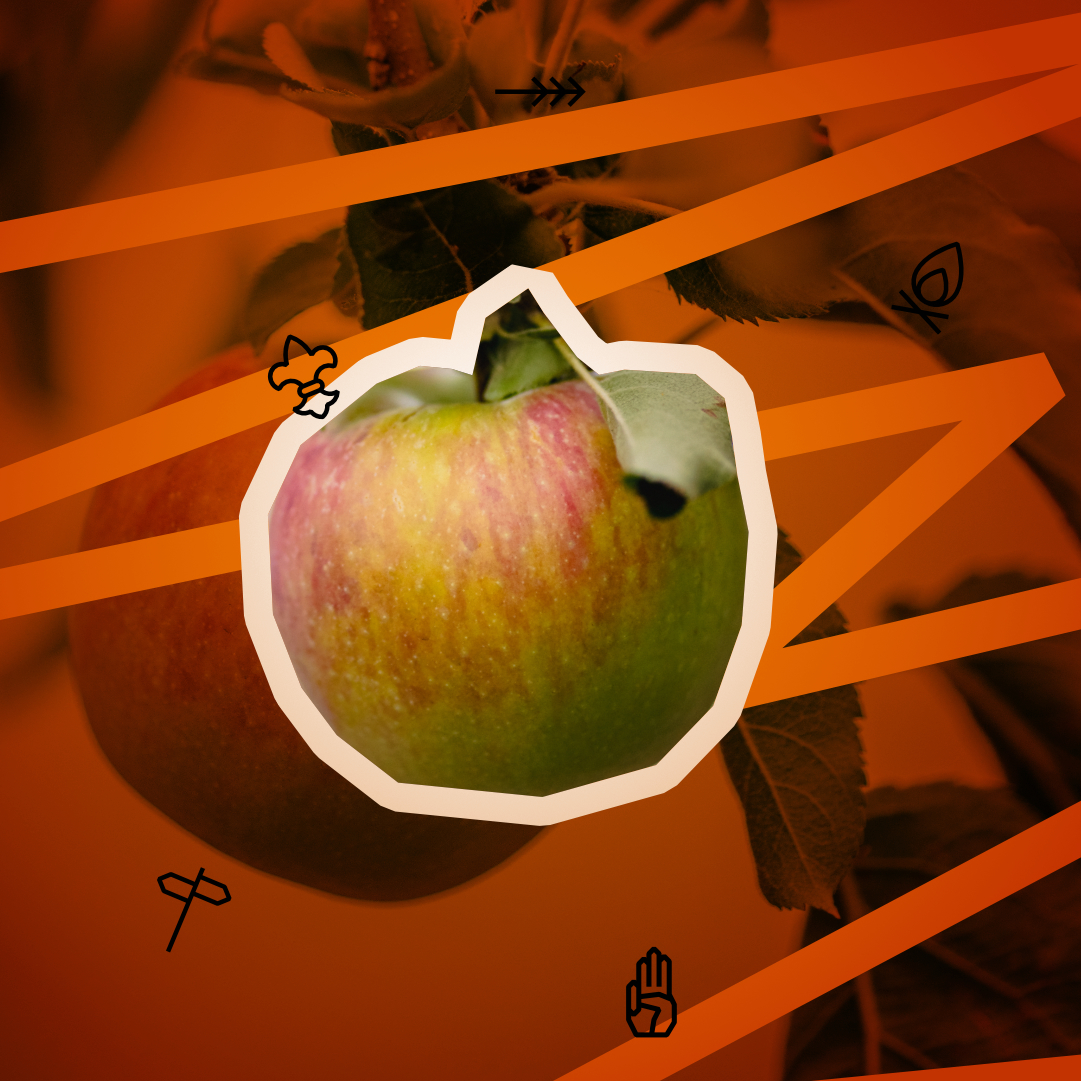
Jabłko
A Bite of Nature
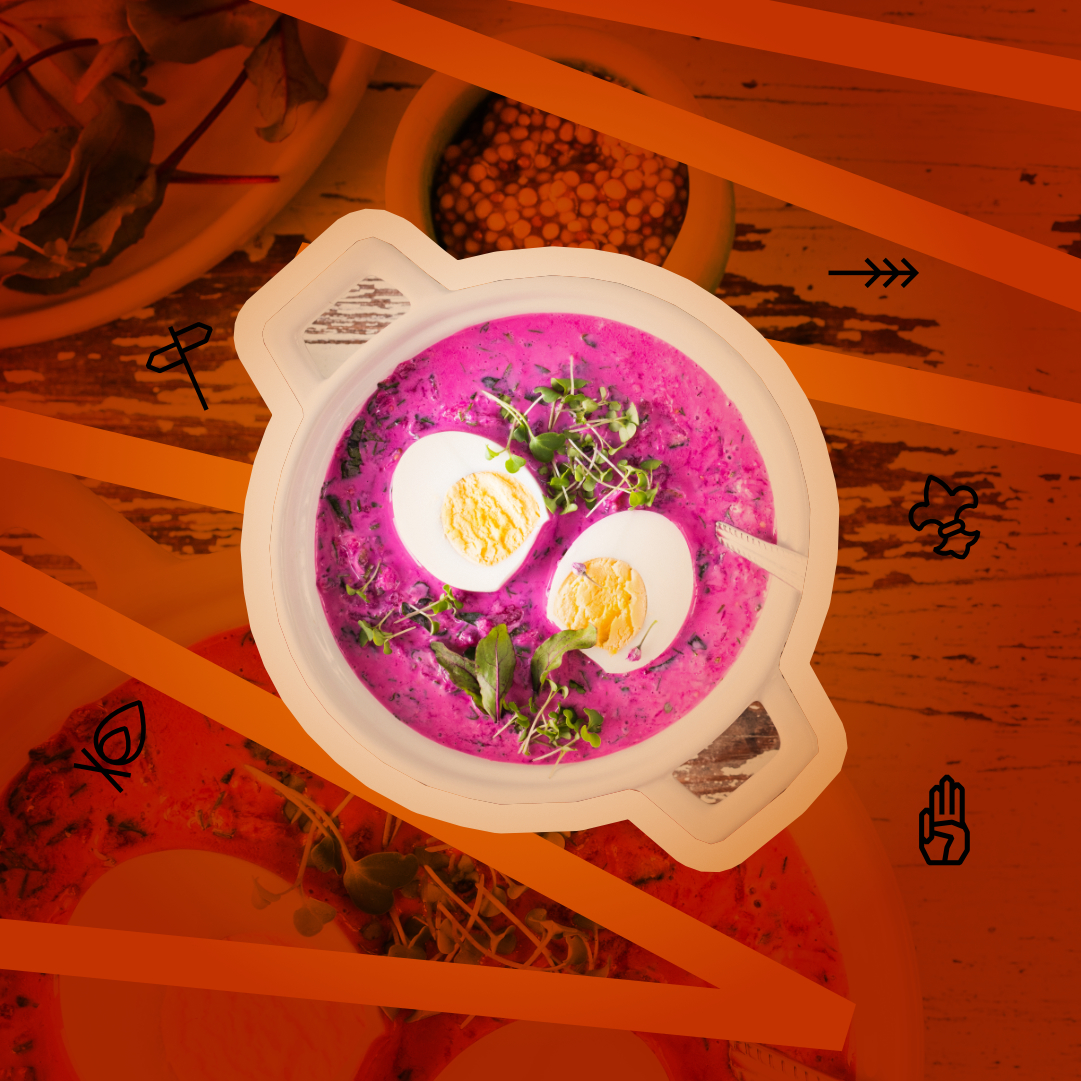
Chłodnik
A Taste of Summer
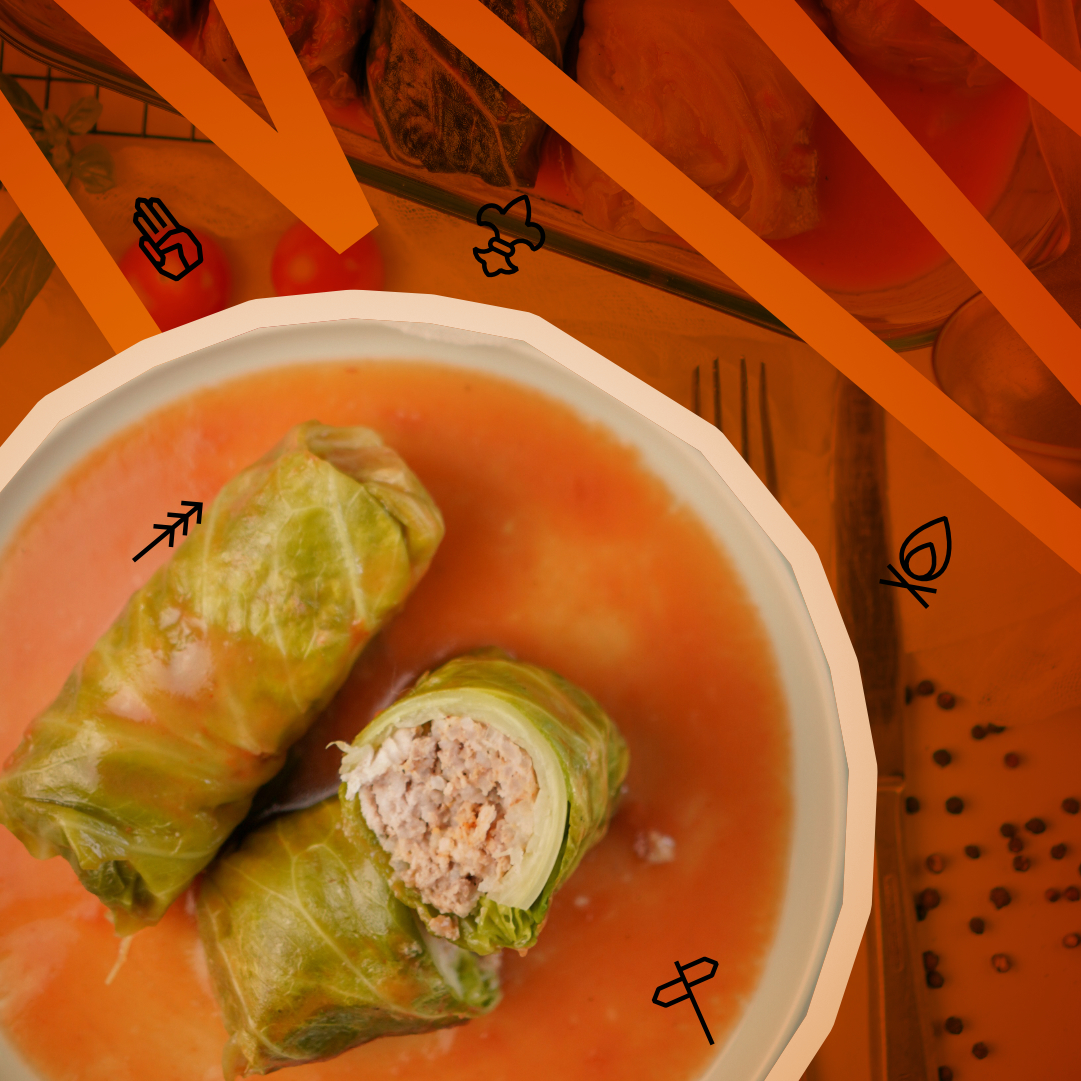
Gołąbki
Wrapped in Tradition
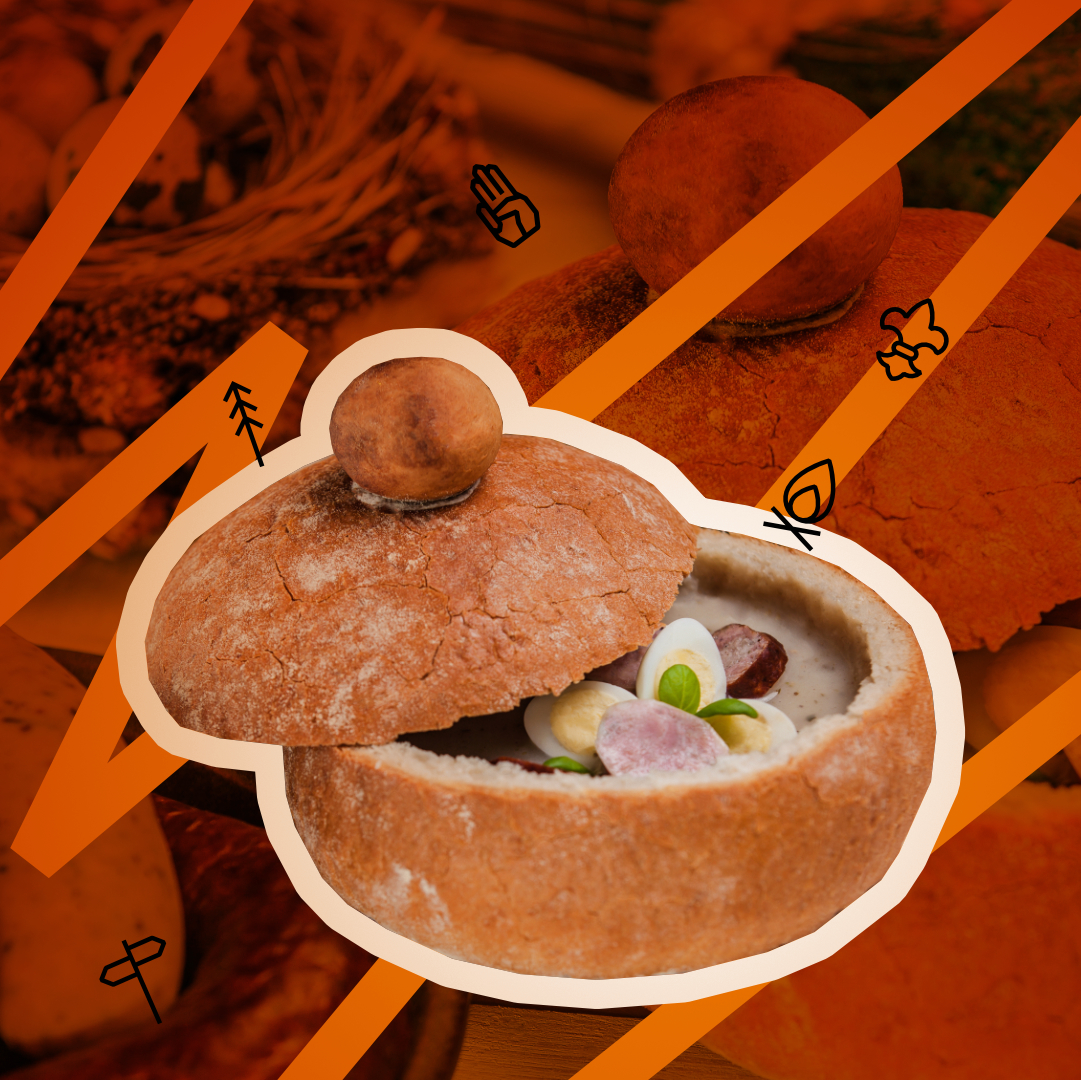
Żurek
The Soul of the Table
Poland is alive with sound. The Baltic roars with waves and gulls, forests hum with crickets, sparrows chatter above orchards. Cities echo with church bells and Chopin’s piano, village weddings throb with drums and fiddles, Kraków’s hejnał cuts the air in defiant mid-note. In the south, mountain trombitas thunder, choirs rise like peaks, cowbells scatter across valleys. From opera stages to open-air festivals, from whispers of nature to bursts of music - Poland is a symphony without end.
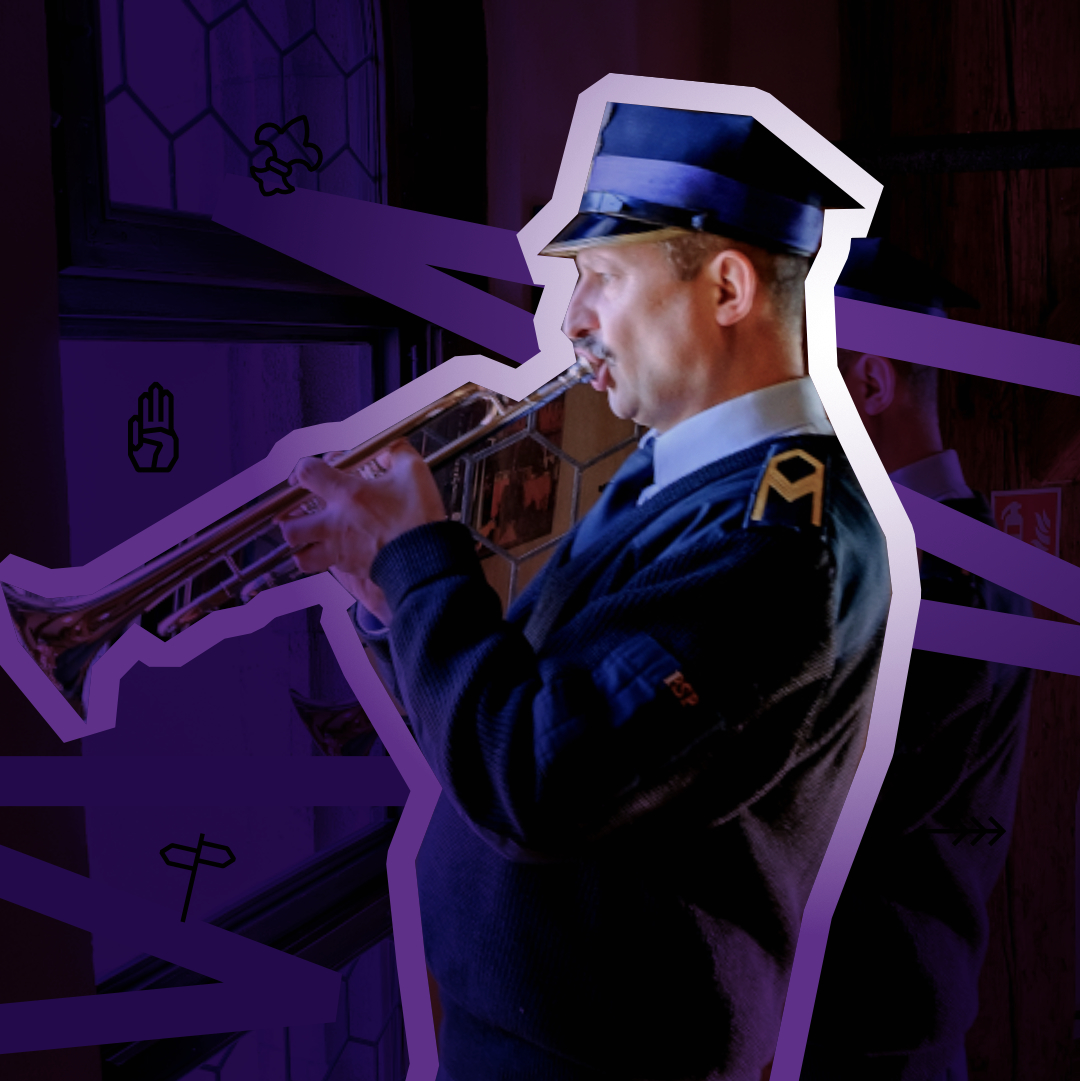
Hejnał
The Sound That Calls a Nation
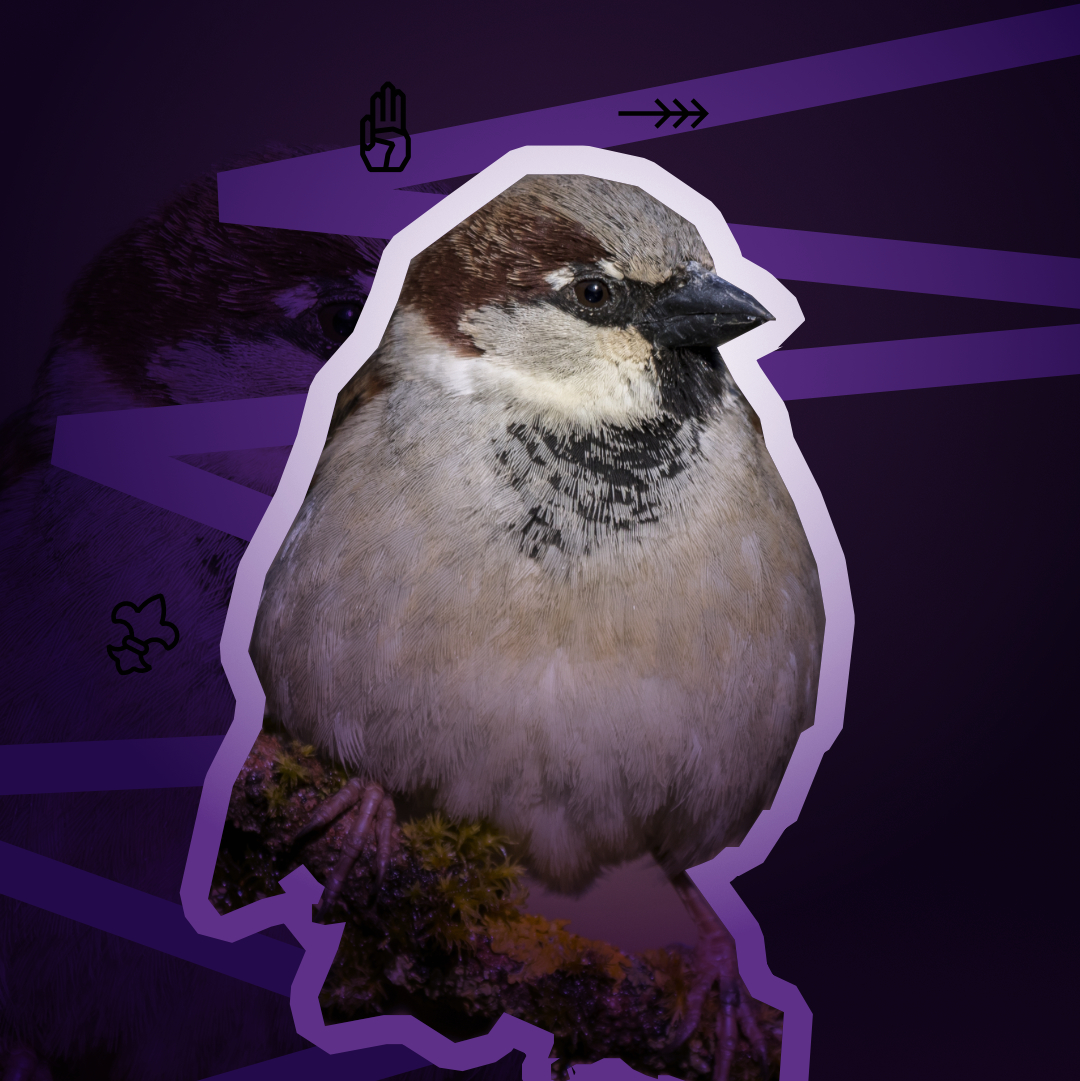
Wróbel
The Voice of the Everyday
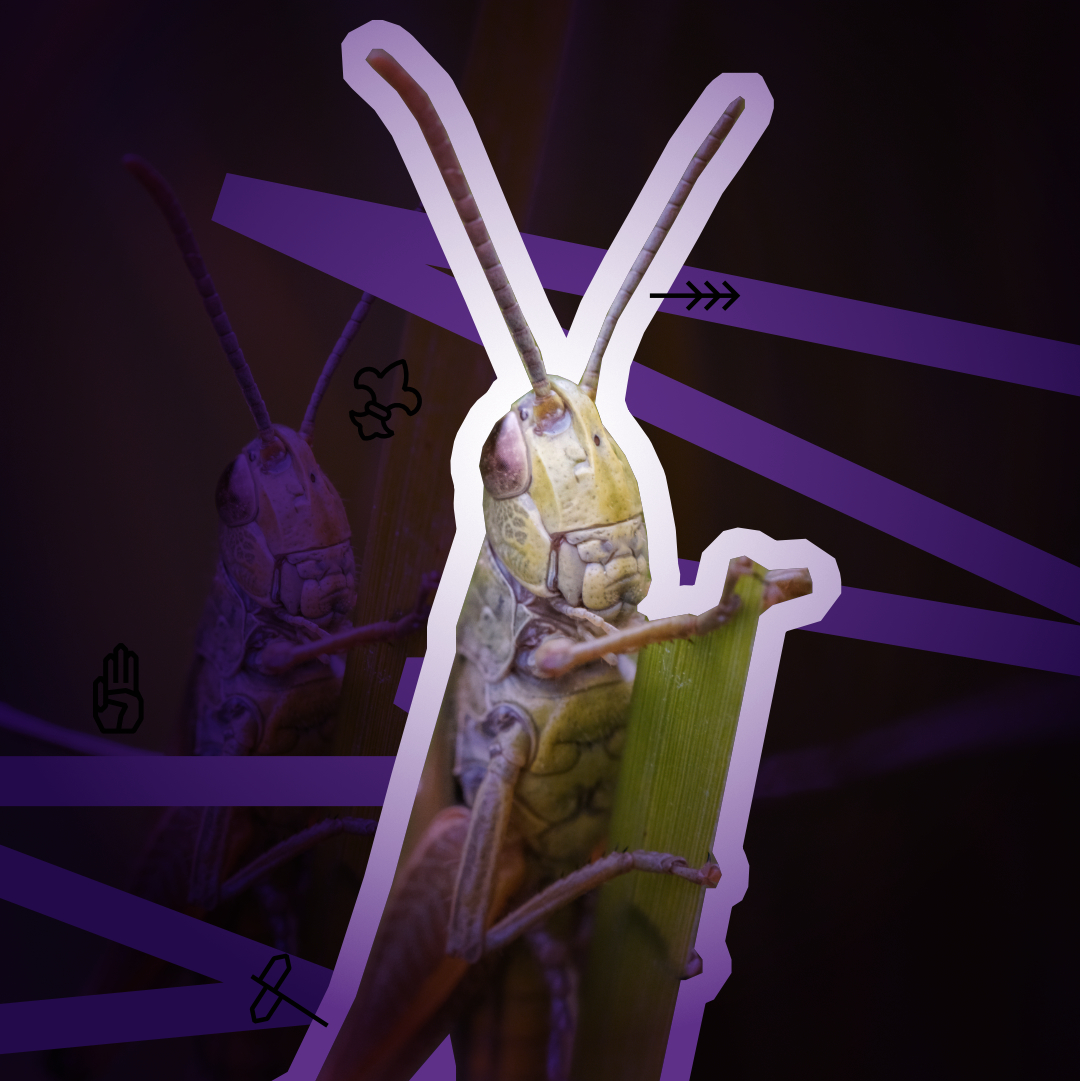
Świerszcz
The Music of the Night
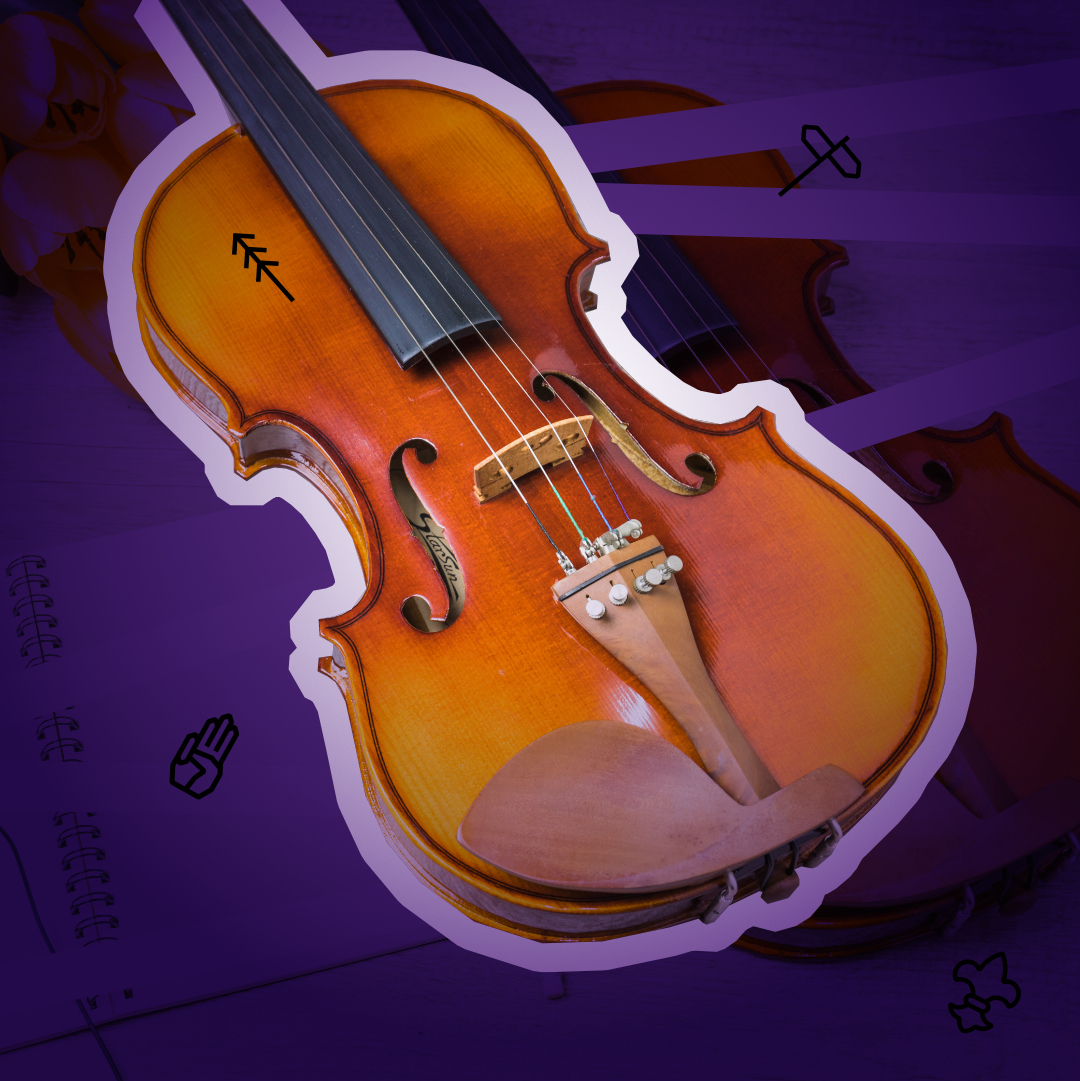
Skrzypce
Echoes of Tradition
Kolęda
The Sound of Polish Christmas
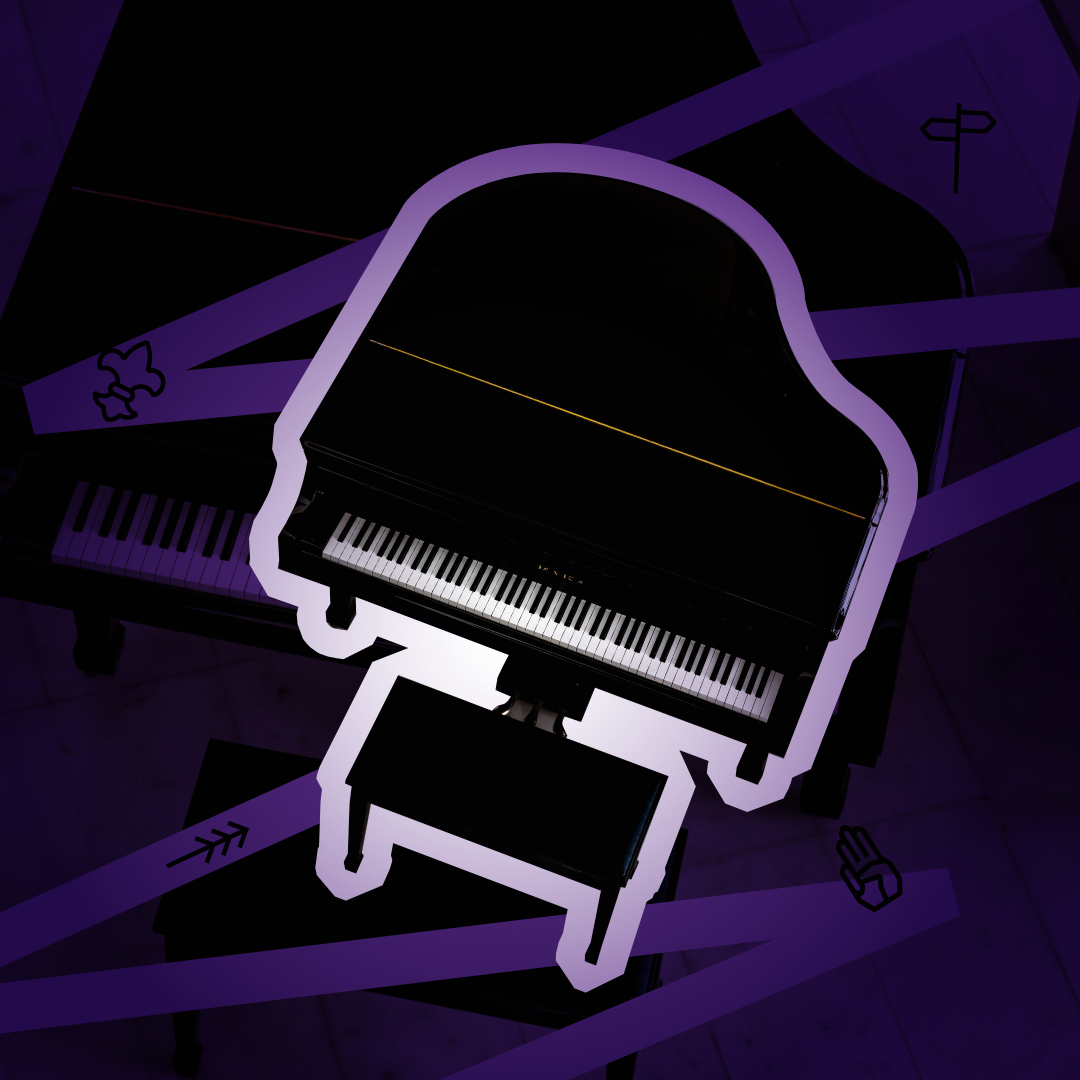
Fortepian
Where Every Note Becomes Art
Poland’s pride is forged in fire. A nation torn apart by partitions, scarred by wars, yet never erased. Castles rebuilt from ashes, Warsaw rising stone by stone, Gdańsk shipyards sparking Solidarność - every wound turned into strength. The Baltic coast, Tatra peaks, and endless plains frame a story of courage written in Gothic bricks, Baroque palaces and modern glass. Grunwald, 3 Maja, Powstanie Warszawskie - moments of loss and defiance that shaped a people who refuse to bow. Poland is resilience made visible, a homeland where struggle itself became glory.
Niepodległość
Freedom Carved by History
Król
History Rises Above the Hills
Książę
Strength in Spirit
Solidarność
Strength in Unity
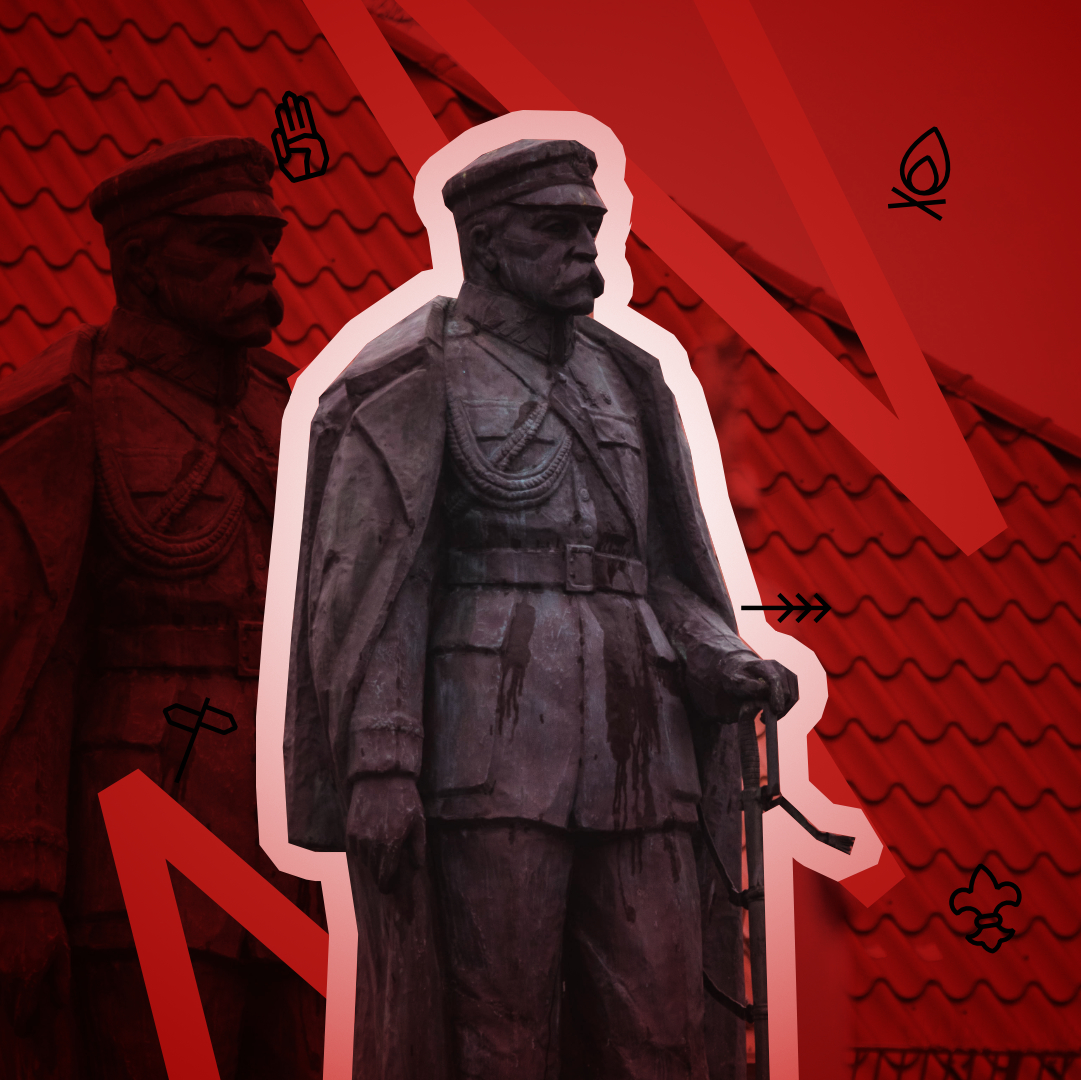
Piłsudski
Father of Independence
Poland is a land where past and present collide in colour and rhythm. From fishermen’s chants on the Baltic to highland choirs echoing through the mountains, every region sings its own story. Seasons pulse with ritual: candlelit carols at Christmas, painted eggs at Easter, harvests exploding in music and gratitude. Heritage is not preserved in glass-it breathes, dances, feasts. Gothic altars stand beside folk embroidery, Chopin’s notes drift into modern art. Poland is no museum. It’s a living mosaic-timeless, restless, unforgettable.
We have no choice but to say: fall in love with Poland!
Campaign "Hard to read, easy to..." supported by:
26th World Scout Jamboree Poland 2027
Supported by
Host Region
Partners
Official Carrier
Media Partner
Chairperson of the Honorary Committee
Organisers
Upcoming Official World Scout Events
Jamboree driven by values
As we get ready for the World Scout Jamboree, we pledge to follow ethical standards, norms, laws, and the internal regulations of the Polish Scouting & Guiding Association (ZHP) and the World Organization of the Scout Movement. All these principles are based on fundamental values - the Scout Promise and Law.
Was a statesman, soldier, and national hero who led Poland to independence in 1918. He is remembered as the architect of the modern Polish state and a defender of its sovereignty. His image is tied to patriotism, strength, and determination in the face of overwhelming odds. For Poles, Piłsudski remains a symbol of leadership and sacrifice.
DROŻDŻÓWKA
pronounced: /drɔʒˈd͡ʐuf.ka/
Is a sweet yeast bun, often filled with cheese, fruit, or poppy seeds. For generations, it has been the classic school snack, bought in bakeries on the way to lessons. It carries a nostalgic taste of childhood for most Poles. More than just food, it represents simple everyday joys of Polish life.
SOLIDARNOŚĆ
pronounced: /sɔ.liˈdar.nɔɕt͡ɕ/
Was the famous trade union movement born in Gdańsk in 1980, led by Lech Wałęsa. It united workers, intellectuals, and the Church in peaceful resistance against communist rule. The movement became a global symbol of courage and human rights, helping to bring down the Iron Curtain. For Poles, Solidarność represents unity, dignity, and hope.
KRÓL
pronounced: /krul/
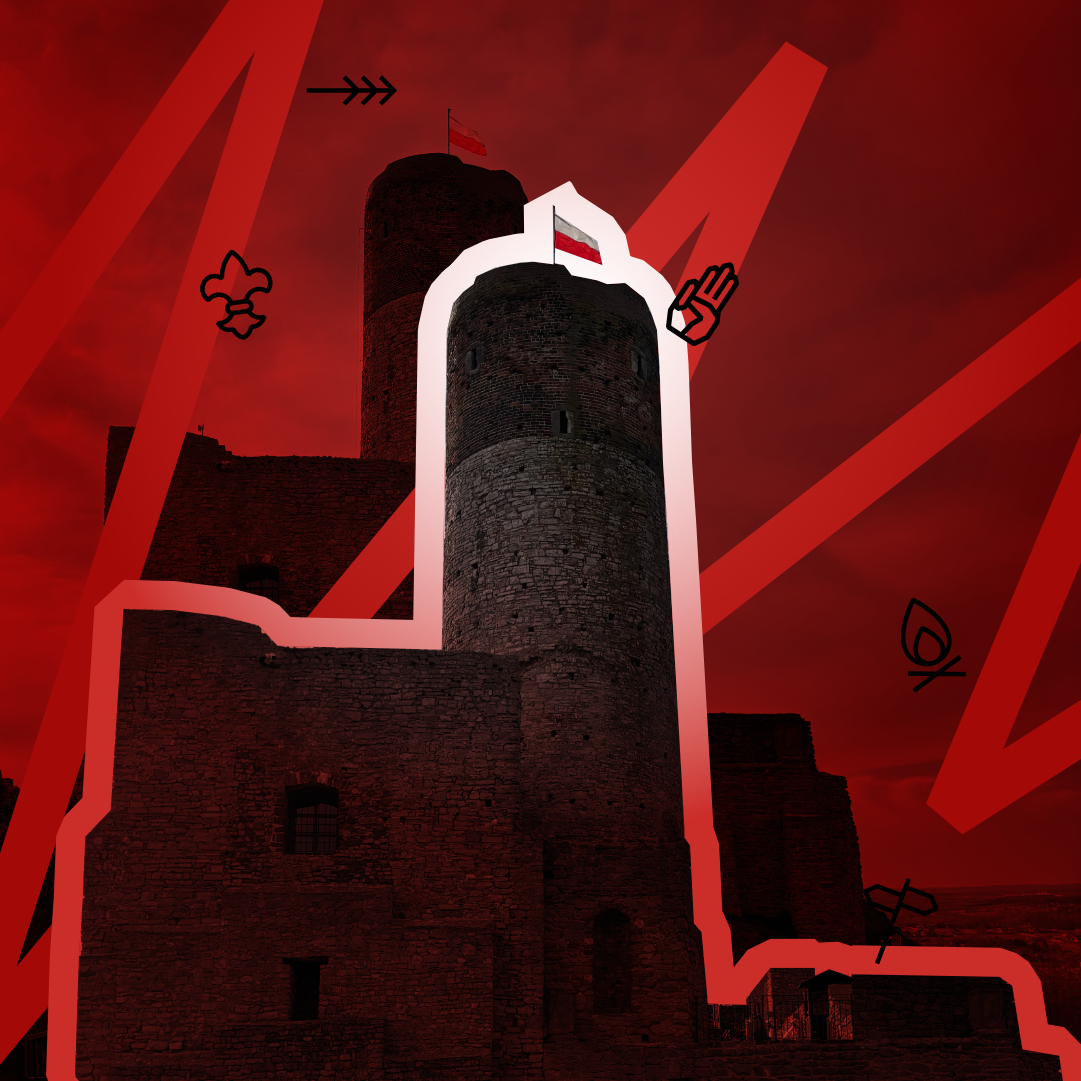
The “king” is closely tied to the Royal Castle in Chęciny, a medieval stronghold where Polish monarchs once gathered. The castle was a seat of power, justice, and military command during the Piast dynasty. Today it reminds visitors of the grandeur of Polish kingship and the unity of the realm. Standing on its towers feels like stepping into the age of Poland’s medieval rulers.
KSIĄŻĘ
pronounced: /ˈkɕɔ̃ʑɛ/
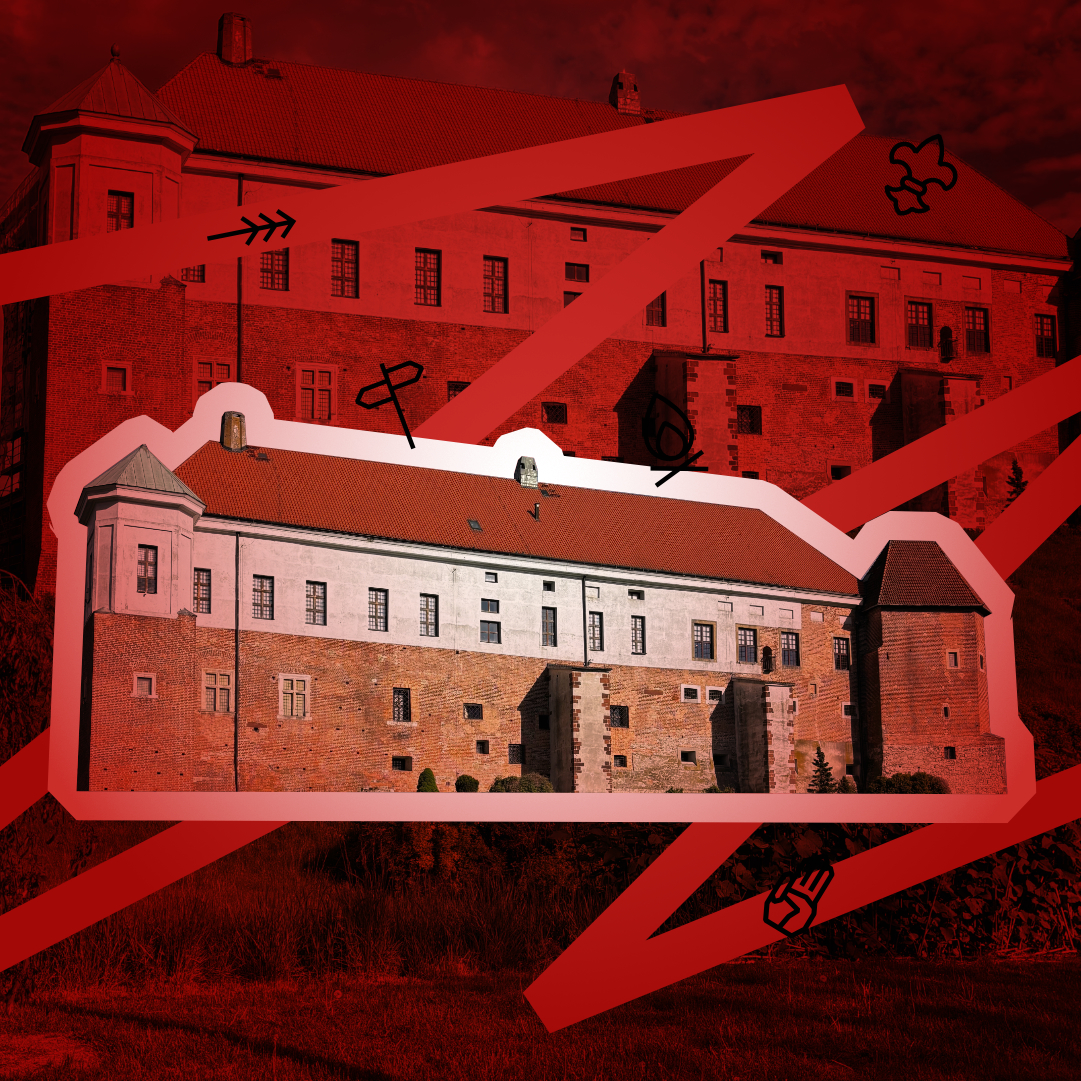
The “duke” is connected with the Castle in Sandomierz, once the residence of Polish princes. It reflects the time when Poland was divided into duchies, before unification under the crown. The castle is a monument to regional power and noble traditions of medieval Poland. Visiting it reveals how dukes shaped the country’s early history.
NIEPODLEGŁOŚĆ
pronounced: /ɛ.pɔdˈlɛɡ.wɔɕt͡ɕ/
Means “independence” and is one of the most sacred words in Polish history. After centuries of partitions and foreign rule, regaining independence in 1918 became a cornerstone of national identity. It symbolises freedom, resilience, and the Polish spirit of survival. For Poles, it is not just politics but a deeply emotional heritage.
KOLĘDA
pronounced: /kɔˈlɛnda/
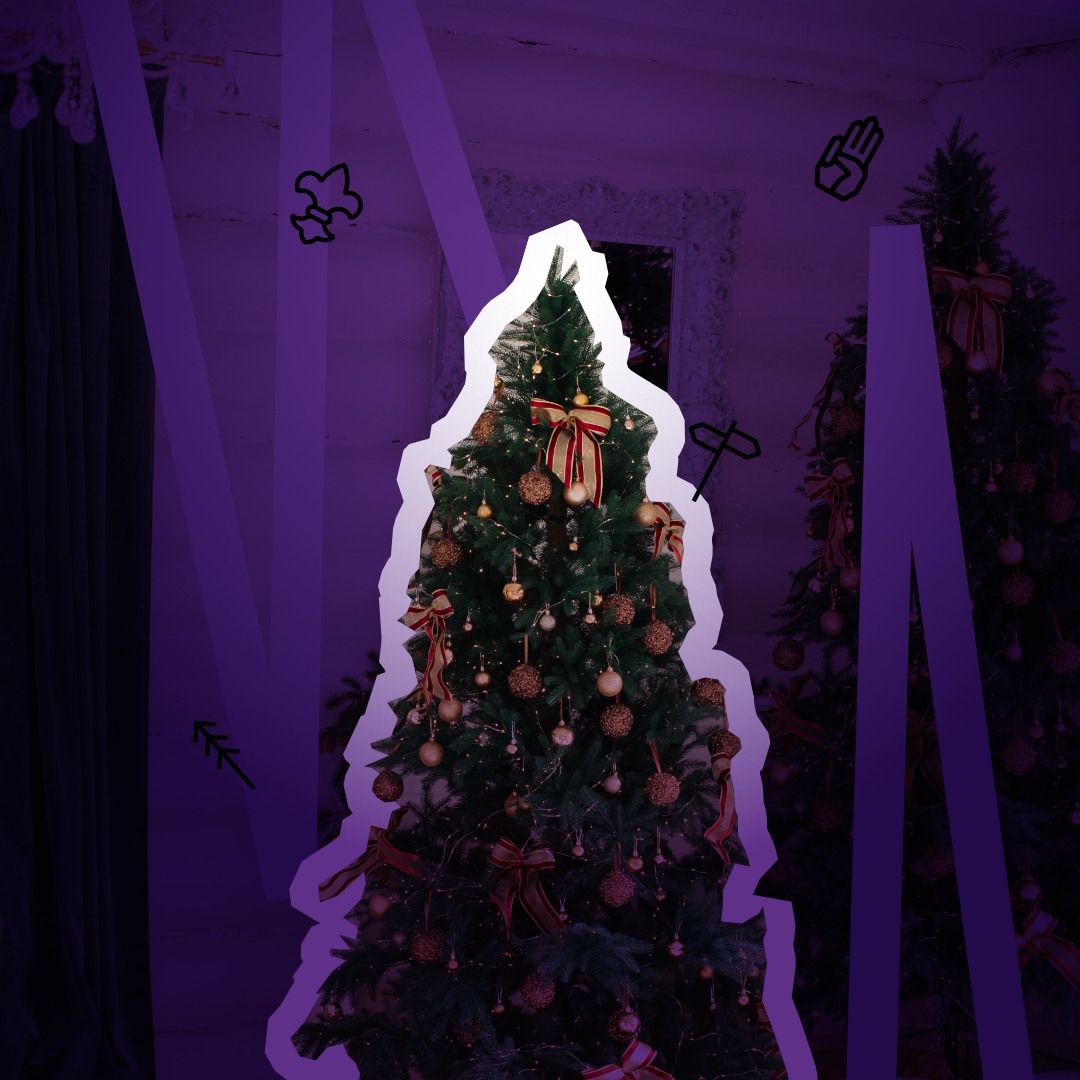
Is a Polish Christmas carol, sung for centuries during the festive season. It blends Christian themes with folk melodies, creating a unique spiritual and cultural tradition. Families and choirs still sing them together, passing stories of hope, peace, and togetherness. For Poles, kolęda is as essential to Christmas as the tree or festive meal.
SKRZYPCE
pronounced: /ˈskʂɨpt͡sɛ/
The violin, or skrzypce, holds a central place in Polish musical tradition. From lively folk dances in villages to grand symphonies in opera houses, it carries the emotional soul of the nation. Its sound is linked to both joy and melancholy, reflecting Poland’s history of struggles and celebrations. Hearing it often feels like listening to the voice of Poland itself.
ŚWIERSZCZ
pronounced: /ˈɕfjɛʂt͡ʂ/
The cricket, or świerszcz, has a strong presence in Polish folk imagination. Its chirping on summer nights is associated with village life, quiet fields, and the passing of time. In stories and proverbs, it often symbolises simplicity and modest happiness. For Poles, its sound is like a natural lullaby of the countryside.
WRÓBEL
pronounced: /ˈvrubɛl/
The sparrow, or wróbel, is one of Poland’s most common yet most beloved birds. Often seen in towns and villages, it represents resilience, modesty, and the strength of small creatures. In Polish songs and poems, the sparrow is a cheerful companion of everyday life. For many, its chirping is a soundtrack of childhood.
ŻUREK
pronounced: /ˈʒu.rɛk/
Is a sour rye soup, one of Poland’s most iconic dishes, eaten especially at Easter. It is made with fermented rye flour, white sausage, and eggs, giving it a tangy, hearty flavour. For centuries, it has symbolised simplicity, resilience, and the creativity of Polish peasant cuisine. Sharing żurek at the table is a ritual of family and tradition.
GOŁĄBKI
pronounced: /ɡɔˈwɔmpki/
Literally “little pigeons”, are cabbage rolls stuffed with minced meat and rice, slowly simmered in a tomato or mushroom sauce. Despite their name, they contain no bird - instead, they embody the spirit of Polish home cooking. They are a dish of warmth and generosity, often served at family celebrations. For Poles, gołąbki taste of childhood, hospitality, and the countryside.
CHŁODNIK
pronounced: /ˈxwɔdɲik/
Is a traditional cold beetroot soup, enjoyed in Poland during hot summer days. With its bright pink colour from beets, enriched with cucumbers, dill, and kefir, it is as refreshing as it is symbolic of seasonal cuisine. It reflects the Polish love for fresh garden produce and light meals in contrast to heavy winter dishes. Eating chłodnik is like tasting summer in Poland.
JABŁKO
pronounced: /ˈjab.wkɔ/
The apple is the most iconic fruit in Poland, deeply rooted in orchards and traditions. Poland is one of the largest apple producers in Europe, and the fruit appears in countless recipes - from cider to apple pie called szarlotka. In Polish culture, apples often symbolise health, abundance, and rural heritage. To taste a Polish apple is to taste the countryside itself.
Żuraw
pronounced: /ˈʒuː.rav/
The Gdańsk Crane is a medieval harbour crane from the 15th century, once the largest of its kind in Europe. It symbolises the city’s golden age of trade on the Baltic Sea, when merchants and sailors brought wealth to Poland. Today it stands as a proud reminder of Hanseatic culture and resilience after wartime destruction. Visiting it feels like stepping back into Poland’s maritime past.
ŻONKIL
pronounced: /ˈʒɔn.kil/
The daffodil, called żonkil in Polish, blooms every spring and carries strong cultural meaning. It is especially tied to remembrance of the Warsaw Ghetto Uprising, symbolising memory and hope. In Poland, wearing a daffodil often means honouring the victims of war and oppression. Its bright yellow is a sign of both renewal and solemn respect.
PSZCZOŁA
pronounced: /ˈpʂt͡ʂɔ.wa/
The bee is cherished in Polish culture not only as a symbol of hard work but also as a guardian of nature. Traditional beekeeping has deep roots in the Polish countryside, where honey was once sacred and used in mead-making. In folk songs and sayings, the bee represents community and resilience. To Poles, it is more than an insect, it is part of their rural soul.
Źrebak
pronounced: /ˈʑrɛ.bak/
A foal, or źrebak, is a beloved sight in the Polish countryside, where horse breeding has long traditions. Horses played a key role in Polish history, from noble cavalry to everyday farming life. Seeing a young foal often symbolises hope, vitality, and continuity of rural culture. It connects modern Poles with their equestrian heritage.
Żubr
pronounced: /ˈʐubr/
Is the Polish word for European bison (Bison bonasus). It is the heaviest wild land animal in Europe. The European bison is also known as wisent, and sometimes colloquially as the European buffalo. It is one of two extant species of bison, alongside the American bison. In Poland, the żubr is a national symbol and can be found in protected areas like Białowieża National Park and Wolin National Park. The name "Żubr" is also used for a popular Polish beer.
Hejnał
pronounced: /ˈxɛj.naʊ/
Hejnał Mariacki in English is translated as St. Mary's Trumpet Call. It's a traditional Polish bugle call played every hour from the tower of St. Mary's Basilica in Kraków. The tune is known for its abrupt ending, a tradition said to commemorate a watchman who was struck by an arrow while sounding the alarm during a Tatar invasion.
The text has been automatically translated from English. For the most accurate information, switch the language version of the page to English.
The Organising Committee for the 26th World Scout Jamboree has been established by Związek Harcerstwa Polskiego as a foundation under the Host Organisation Agreement, providing a legal entity for the planning and delivery of the World Scout Jamboree Poland 2027. The foundation is registered in the National Court Register held by the District Court Gdańsk-Północ in Gdańsk under the number KRS 0001022285. It has a tax identification number of PL-583-347-28-08 and a statistical number REGON 52467170500000. The foundation’s legal seat is located at Za murami 2-10, 80-823 Gdańsk, Poland.
Discover
Understanding Jamboree
Host City and Host Country
Our Community
Support
Get involved
What’s New
Jamboree Organisation
Links
Fortepian
pronounced: /fɔrˈtɛpjan/
The word fortepian may seem difficult to pronounce, but in Poland it carries a meaning that is deeply felt. It symbolises not only an instrument, but a bridge between art, history and emotion — the sound of the Polish soul expressed through music. Every few years, Warsaw becomes the world’s capital of piano music during the International Chopin Piano Competition — one of the most prestigious and respected events of its kind. Pianists from every corner of the globe gather to perform the works of Fryderyk Chopin, bringing their own interpretations of his timeless melodies. The fortepian is more than a set of keys and strings — it is a storyteller. Through its notes, it whispers of longing and pride, of landscapes and memories, of the quiet poetry that defines Polish culture. It connects generations, crossing borders and languages through pure sound.